
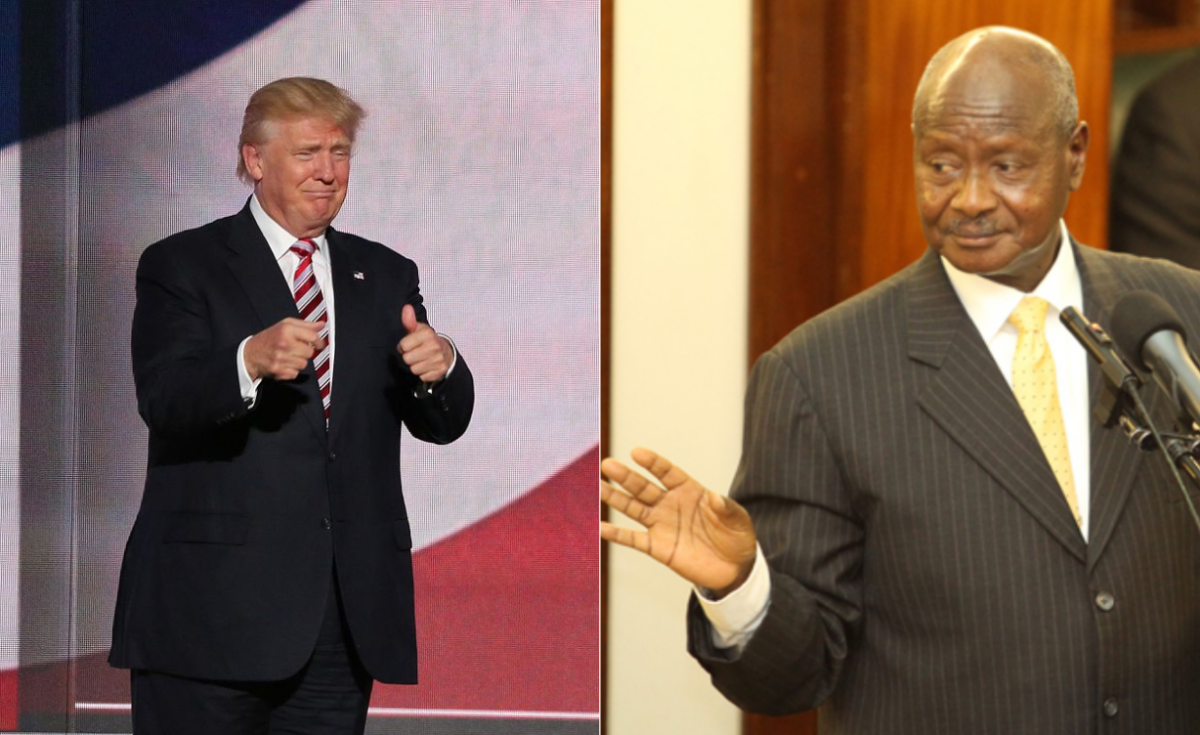
Post-Election Tensions Test Bilateral Ties as Washington Weighs Response to Kampala’s Crackdown
Uganda’s contentious 2026 general elections and the subsequent government crackdown on opposition figures have thrust the country’s relationship with the United States into its most precarious position in years. As security forces continue arresting opposition leaders and civil society activists, Washington faces a familiar dilemma: how to respond to a strategic partner whose democratic backsliding conflicts with American values.
The aftermath of Uganda’s January 2026 elections has followed a troubling pattern. Opposition leader Bobi Wine and his National Unity Platform party have rejected the results, alleging widespread fraud and voter intimidation. Security forces have responded with mass arrests, internet shutdowns, and a heavy-handed crackdown on protests in Kampala and other urban centers.
International observers, including those from Western nations, reported irregularities during the voting process—claims that President Yoweri Museveni’s government has dismissed as foreign interference. The arrests of prominent opposition figures, journalists, and election monitors have drawn sharp criticism from human rights organizations and triggered calls for international action.
This crisis arrives as Donald Trump settles into his second presidency, creating uncertainty about how Washington will respond compared to previous electoral cycles.
The current situation mirrors the controversial 2021 elections, when security forces killed dozens of protesters and detained opposition candidates. The Biden administration condemned the violence and imposed targeted sanctions on senior Ugandan officials, while restricting security assistance and removing Uganda from the African Growth and Opportunity Act (AGOA) over the 2023 Anti-Homosexuality Act.
But 2026 presents a different geopolitical context. Trump’s transactional foreign policy approach, his skepticism of democracy promotion, and his administration’s focus on strategic interests over human rights concerns suggest a potentially muted American response.
This has created a high-stakes waiting game in Kampala: will Washington prioritize its security partnership and counter-terrorism interests, or will congressional pressure and international outcry force a stronger stance?
Uganda remains America’s most critical military partner in East Africa. Kampala contributes the largest contingent to peacekeeping operations in Somalia, hosts U.S. counter-terrorism training programs, and provides intelligence cooperation across the region. This partnership, worth hundreds of millions in American security assistance, has survived previous political crises.
However, the scale and visibility of the current crackdown—amplified by social media despite internet restrictions—makes it harder for Washington to maintain business as usual. Video footage of security forces beating protesters and images of detained opposition leaders have circulated globally, creating political pressure on the Trump administration from both Democratic lawmakers and some Republicans.
The question becomes whether the administration can compartmentalize security cooperation from electoral concerns, or whether the optics of supporting a government actively suppressing dissent become politically untenable.
Uganda’s expulsion from AGOA in 2023 already strained economic ties, eliminating duty-free access to U.S. markets for Ugandan exports. The current crisis makes AGOA reinstatement—something Kampala desperately wants—virtually impossible in the near term.
Additional economic sanctions targeting regime officials involved in the crackdown remain on the table. The U.S. Treasury Department has tools to freeze assets and restrict travel for individuals credibly accused of human rights violations or electoral fraud.
However, such measures may have limited impact on Museveni’s calculations. China has become Uganda’s largest source of foreign direct investment, providing an economic cushion that reduces Kampala’s vulnerability to Western pressure. Chinese firms are financing Uganda’s oil development, infrastructure projects, and technology systems—including some of the surveillance tools being used to track opposition activists.
Beijing’s response to Uganda’s electoral crisis has been notably different from Washington’s. Chinese officials have congratulated Museveni on his victory and reaffirmed their commitment to bilateral cooperation, with no mention of electoral irregularities or human rights concerns.
This contrast isn’t lost on Kampala. Excessive American pressure risks pushing Uganda further into China’s orbit—precisely what Trump’s “great power competition” framework aims to prevent. Yet appearing indifferent to democratic backsliding in a major African partner creates its own set of problems for U.S. credibility on the continent.
For Museveni, this dynamic offers strategic flexibility. He can calculate that Washington’s desire to counter Chinese influence limits how far the U.S. will go in punishing his government.
While the Trump administration may prefer a quiet approach, Congress represents a potential constraint. Both Democratic and Republican lawmakers have condemned the post-election violence, with some calling for sanctions and restrictions on security assistance.
Bipartisan legislative action could force the administration’s hand, particularly if the crackdown intensifies or if high-profile opposition figures face prosecution on what are widely viewed as politically motivated charges.
The murder or suspicious death of a prominent opposition leader—a scenario that haunts Ugandan politics—could trigger a severe congressional response that the executive branch couldn’t easily ignore.
Uganda’s crisis doesn’t exist in isolation. The country plays critical roles in regional conflicts: military operations against militants in eastern Democratic Republic of Congo, mediation efforts in South Sudan, and peacekeeping in Somalia. A sharp deterioration in U.S.-Uganda relations could complicate American interests across East Africa.
Kenya, traditionally America’s closest partner in the region, is watching closely. Nairobi has its own democratic challenges and will interpret Washington’s Uganda response as a signal about American priorities in the region.
The 3 possible scenarios
The Transactional Compromise: Washington issues rhetorical condemnations and imposes targeted sanctions on a handful of officials, but maintains core security cooperation. Museveni releases some lower-profile detainees as a face-saving gesture. Both sides muddle through with a strained but functional relationship.
The Escalating Standoff: Continued crackdown leads to more severe U.S. sanctions, restrictions on security assistance, and diplomatic isolation. Uganda pivots harder toward China and other non-Western partners. American influence in East Africa diminishes.
The Regional Intervention: African Union or East African Community pressure—potentially supported by American diplomacy—creates space for negotiated dialogue between government and opposition. Elections aren’t overturned, but political prisoners are released and some reforms promised.
What’s at Stake
For Uganda, the calculation is whether short-term domestic control is worth potential long-term costs in Western relations, economic access, and international legitimacy.
For the United States, it’s whether values-based foreign policy can coexist with strategic interests in a region where Chinese influence grows daily and where counter-terrorism partnerships depend on sometimes unsavory allies.
The Trump administration’s response to Uganda’s post-election crisis will signal not just the future of bilateral relations, but America’s broader approach to democracy and human rights in Africa during this presidency.
As arrests continue in Kampala and opposition leaders languish in detention, both capitals are making calculations that will shape East African geopolitics for years to come. The question isn’t whether U.S.-Uganda relations will be tested—they already are. The question is whether the relationship can survive what comes next.
The world is watching. So is Beijing.